Cancel or Recalibrate?

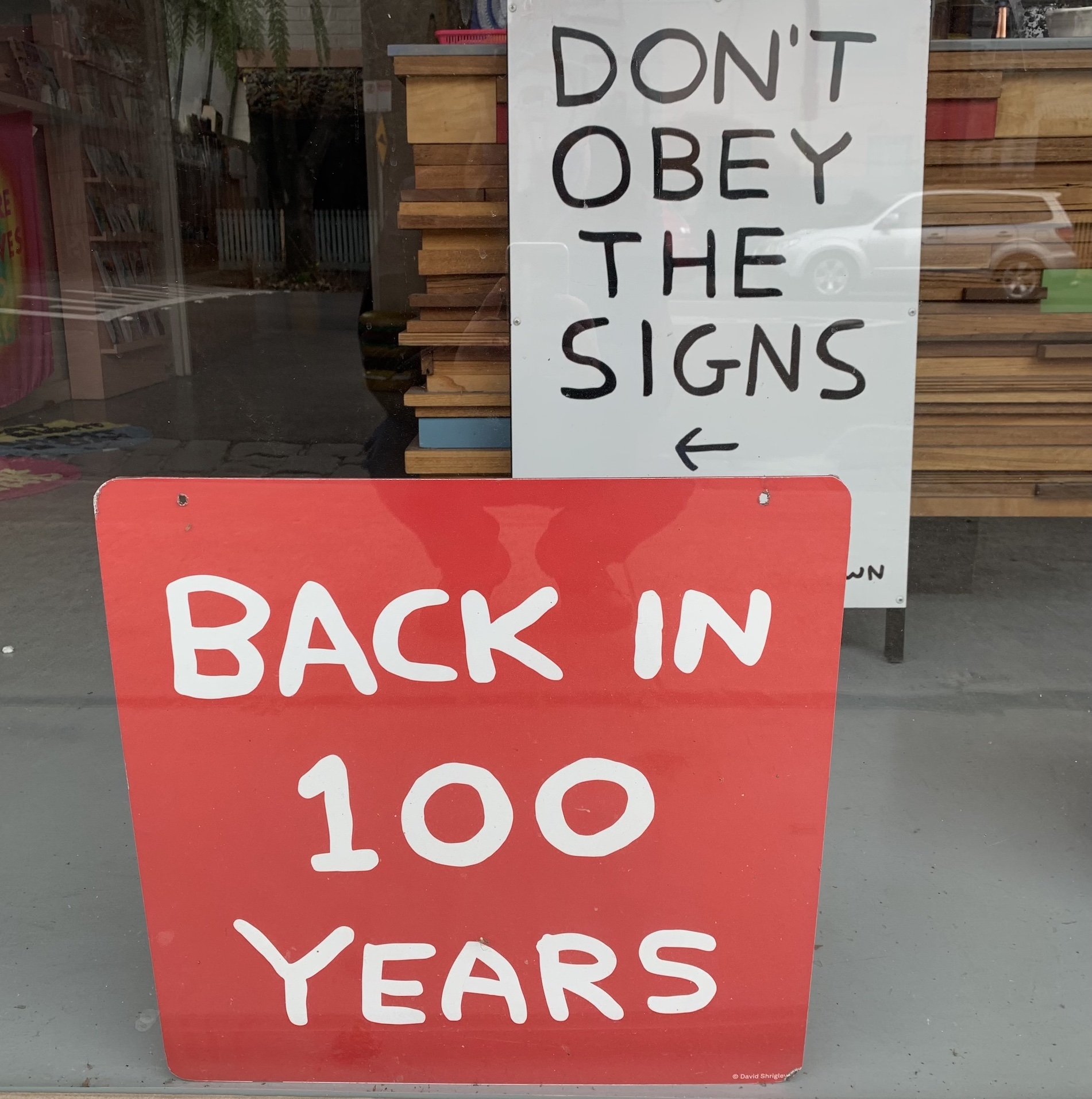
In the wake (sic) of wokeness and cancel culture, it was interesting to read that Disney has decided to add a health warning of “negative depictions of cultures” to re-runs of the Muppet Show. So rather than cancel these programmes, it has chosen to (re-)contextualise the content for a contemporary audience.

I don’t have a problem with this type of labelling, or indeed on any other content, if it helps to aid understanding, generate debate, and acknowledge past lapses of taste or judgement. Especially as programmes like the Muppet Show were huge in the heyday of mass-market network television, before cable and streaming fragmented audiences into pre-defined sub-genres and segregated demographics.

Indeed, I’ve grown used to similar health warnings attached to re-runs of many BBC radio dramas, from the 1950s through to the 1980s, when “social attitudes were somewhat different to today”.

But, if we continue along those lines, should we be applying similar health warnings to Shakespeare’s plays, Greek tragedies, French farces, Norse legends, European folklore as told by the Brothers Grimm, or Roman accounts of gladiatorial victories over their hapless victims?

In which case, I look forward to the same contextualisation (and health warnings) of any programmes that quote, cite, promote or reference key religious texts, most of which were written hundreds and thousands of years ago, yet which similarly offend our current values and societal norms.

Next week – Facebook and that news ban

Corporate Art

The art world in Melbourne is getting something of a boost from corporate commissions. Last year, Deloitte compiled one of the largest corporate art collections in recent years for their new offices on Collins Street, which was otherwise a lean time for local artists during the recent lock-downs.

Not everyone will get to see this collection, as the works are on selected floors within the building, and access will be limited to staff, business visitors and clients.

But elsewhere, there is a lot of work that is accessible to the public. Here are a few randon examples:

Collage mural, Hero Apartments, Russell Street

Hero Apartments – this former telephone exchange displays unique work on its western-facing wall, usually photographic in nature.

80 Collins Street – the revamped office block has recently undergone a major makeover, including an enormous digital screen in its ground floor lobby, for displaying newly-commissioned works.

Digital mural, 80 Collins Street

330 Collins Street – the lobby to this otherwise anonymous office building now features a striking piece of op art, in the form of a dual light box and mirror construction.

Lobby Op Art, 330 Collins Street

Grand Hyatt Hotel – as part of its major revamp more than a decade ago, the hotel installed some huge Bruce Armstrong bird sculptures to guard the main entrance.

Docklands – facing the waterfront opposite Marvel Stadium is John Kelly’s quirky “Cow Up A Tree” (which says what it is).

Yarra River – from Birrarung Marr to Webb Bridge (itself a great example of functional public art) there are a sequence of sculptures and installations, including further works by Bruce Armstrong.

Southbank Arts Precinct – not surprising given its function, this area houses numerous sculptural works, permanent installations architectural features, such as Ron Robertson-Swann’s “Vault” outside ACCA.

Laneways Street Art – of course, Melbourne is (in)famous for its extensive “collection” of graffiti and spray-paint murals, although works attributed to Banksy have either been vandalised, stolen or simply painted over.

Next week: Cancel or Recalibrate?

Transition – post-pandemic career moves

Even before the latest lock-down v3.0 in Melbourne, one of the other members of my co-working space in the CBD decided they’d already had enough of being confined to a 5km radius, working from home, and other lock-down related restrictions. Having had their interstate travel curtailed over the past 12 months, and suffering from cabin fever, they have opted to spend the next few months living in and working from various Airbnb locations around regional Victoria. Even though they are used to WFH, recent experience has shown that they don’t need to be confined to one place. And this post-COVID shift in our work/life patterns (already being disrupted and enabled by remote working) is only increasing.

Likewise, a client I spoke to in the USA last week informed me that they had just settled into a new location on the west coast, and was “living the dream” of a nomadic existence.

More extreme is the recent example of a Guardian employee who, having had to travel from Sydney to the UK for a family funeral last year, then took several months to get back home (due to flight cancellations), but managed to keep working remotely from various European locations as he moved around to stay ahead of border closures.

Prior to this past weekend, and despite the city being out of Stage 4 lock-down for 3 months, private offices in Melbourne’s CBD have only been allowed to operate at 50% of capacity – the proposed move to 75% capacity has been put back. It means, for example, that even on a really good day, my local coffee shop is still only doing 60% of its pre-COVID business.

It’s my guess that the combination of office restrictions and many retail and hospitality businesses simply not bothering to re-open at all means the CBD is barely operating at 40-50%. It’s deceptive – some activities (e.g., construction) have continued pretty much unabated (even expanding while there is less traffic on the roads); while others have been shut down altogether (e.g., entertainment). Certainly food delivery services are still in demand, while some retail has been doing a bit better as customers appreciate the novelty of shopping in-person.

Monday to Friday in the CBD is like a bell-curve distribution – Mondays and Fridays are much quieter, as people choose to WFH part of the week. Which is challenging for employers, as they try to revert to “normal”. But assuming a mix of remote and on-site working continues, it probably means less overall demand for office space. (It’s also difficult to assess the impact of the CBD exodus on suburban hubs.)

So all that construction work suggests we will have an over-supply of commercial premises (offices, shops, restaurants and hotels).

Residential property is a similar story – student accommodation is far from full, as overseas students aren’t returning; and more inner-city apartment buildings are still going up, but there is something of an exodus from the city to regional and rural locations.

The latter tree- and sea-changes are being fueled by a number of factors: a desire to leave the city (which is more prone to lock-downs); low interest rates (so, cash out the equity in your suburban home and move to the country where your money buys you more); increased opportunity to WFH (see, 5G and the NBN have their benefits!); and a broader wish for a different work/life balance.

Unfortunately, this shift is also putting pressure on local housing supply – average property prices are going up faster in some regional centres than in the capital cities; and more nomadic lifestyles are driving up demand for short-stay accommodation. The combined effect is higher rental costs and reduced supply, tending to squeeze out the locals.

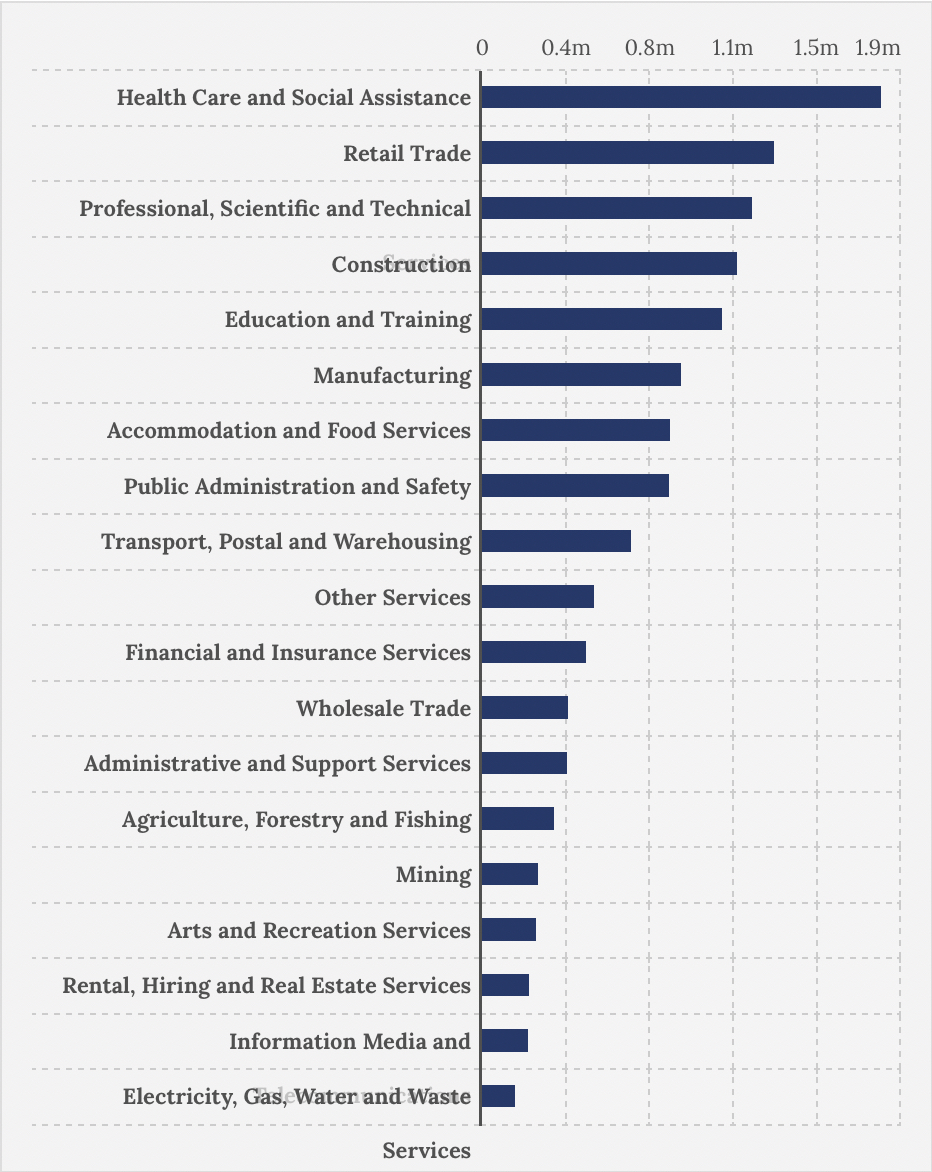
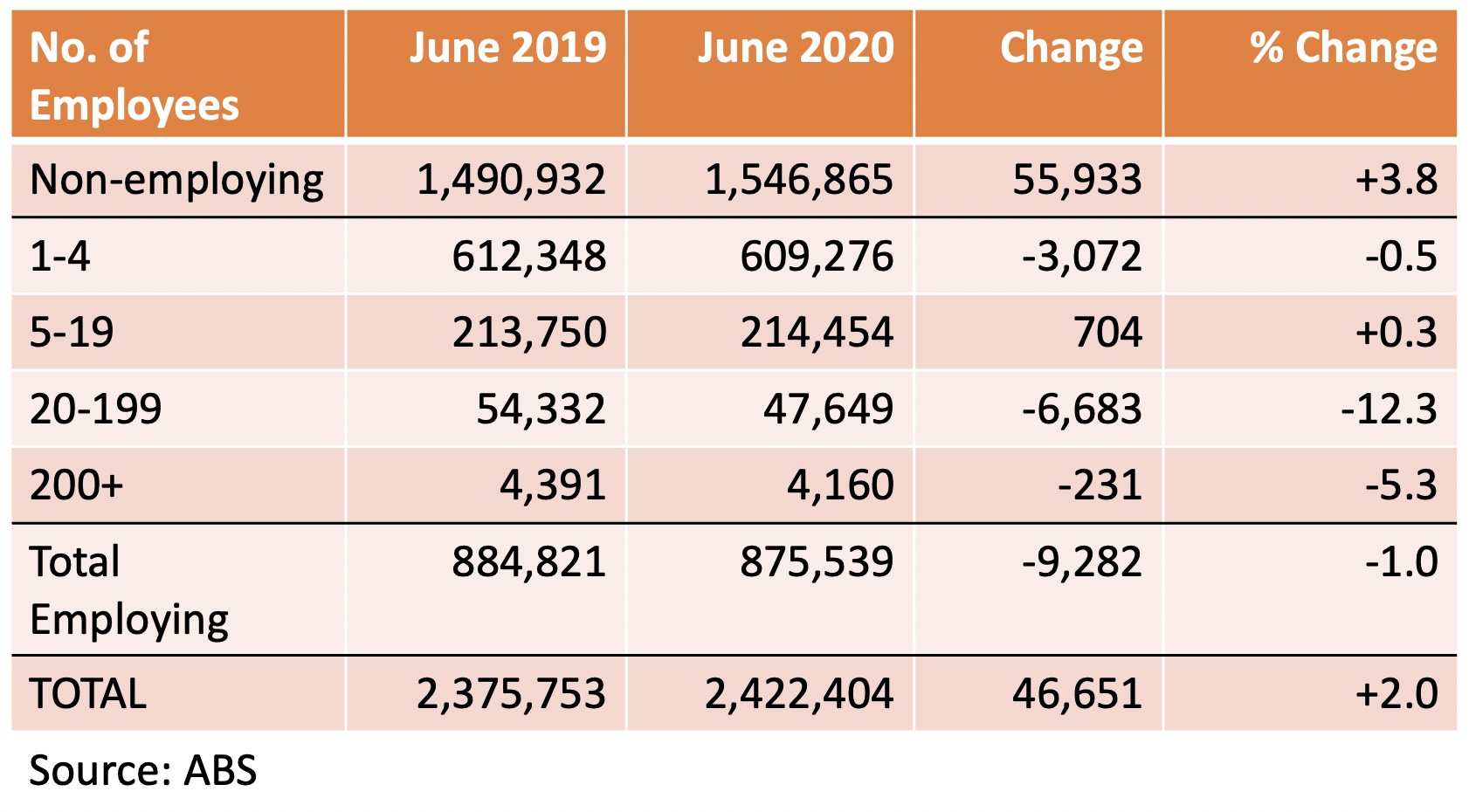
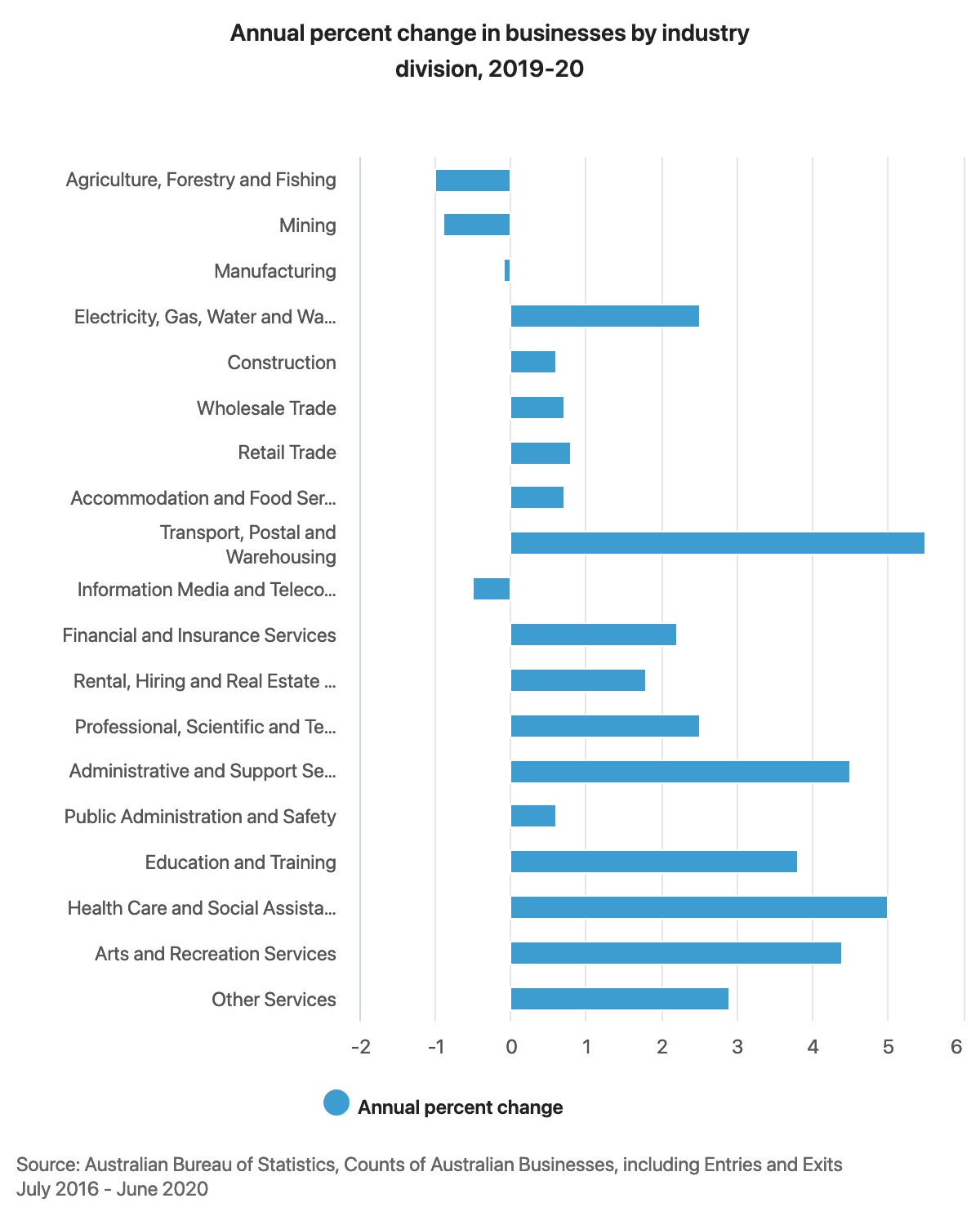
Ironically, we’ve heard farmers and primary producers in rural and regional Australia complain that they can’t get seasonal workers due to COVID restrictions on international visitors (especially students, back-packers and experienced fruit pickers). Conversely, we’re told that 90% of jobs lost after March last year have now been recovered – although this apparent rebound is mainly in part-time roles, not full-time positions. It would be interesting to see a detailed breakdown by industry, as some sectors (tourism, aviation, universities) are still struggling.

The hiatus (and disruption) brought about by COVID and subsequent lock-downs has no doubt prompted many people to reassess their careers: where do I want to live/work? what type of work do I want to do? which industries or companies are hiring? and for what roles? As part of a wider re- and up-skilling initiative, the Federal and State governments are offering a range of free vocational courses (mostly Cert I to IV programmes), as well as some enhanced “pathways” to trade apprenticeships.

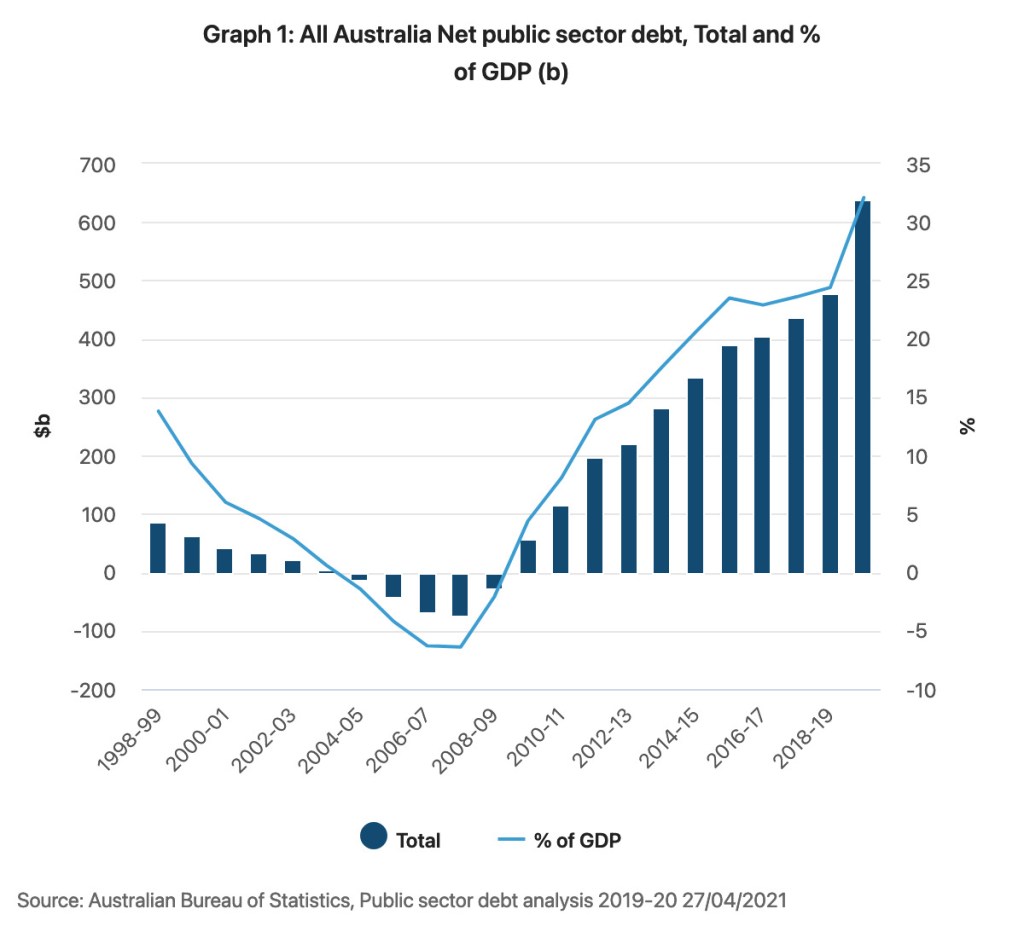
While this is to be applauded, I can’t help feeling the effort is at least 5-10 years too late to address the technological, demographic and societal changes that began at the end of the last century, with the advent of the internet, cheaper technology, an ageing population, increased globalisation, inefficient taxation and tariff systems, and general economic restructuring. If nothing else, COVID has demonstrated the need for more resilience in the domestic economy, (and a reduced reliance on overseas imports and supply chains) such as smart manufacturing and food security.

Meanwhile, a friend of mine recently related that a nephew of his had dropped out of college (like many of his peers in the USA and elsewhere) and decided to become a self-taught expert in DeFi, as there is more chance of financial success (and career satisfaction) than obtaining an “off the shelf” bachelor degree….

Next week: Corporate Art

FinTech Australia Road Show

This week I had hoped to blog about the latest FinTech Australia Road Show in Melbourne – unfortunately, COVID-19 intervened, and the event has been postponed.

So instead, here is my personal quick take on recent developments in the local FinTech scene:

A tale of 2 neobanks

Maybe Australia isn’t ready for challenger banks, despite the early interest and apparent market demand. Xinja* has decided to give back its banking license, having spent a ton of money on obtaining it in the first place. It couldn’t sustain savings and deposit accounts (even in a low-interest rate environment) without sufficient regulatory capital, the funding for which has failed to materialise; and without deposits, Xinja couldn’t offer loans. There is talk of launching a US share-trading app instead (à la Robinhood) but given the recent shenanigans with Wall Street Bets, Reddit, hedge funds and GameStop day traders I don’t suppose the regulatory path to market will be that easy. Xinja looks like it’s done.

Meanwhile, NAB has just announced that it is acquiring the shares in 86 400 that it does not already own, in order to merge it with NAB’s digital brand, Ubank. Which further suggests neobanks can’t survive on their own in the Australian market, with the dominant and regulatory protected cartel of the Big 4. (My good friend Alan Tsen has described this latest transaction as a turducken….)

Other challenger brands in Australia are having to take different approaches: Up is piggybacking off Bendigo and Adelaide Bank’s ADI license; Volt describes itself as a BaaS provider (“banking as a service”); Judo is focused on business banking; and the UK’s Revolut is bringing a mix of credit cards, payment solutions and forex services (including crypto), rather than transaction banking. Meanwhile, another BaaS from the UK, Railsbank is currently recruiting locally for a GM to leads its Australian roll-out.

Finally, despite some concerns about the BNPL sector (“buy now, pay later”), Afterpay is partnering with Westpac‘s BaaS platform to offer banking services to its customers.

Whither the Big 4?

Speaking of which, what are the Big 4 doing in the broader sphere of FinTech?

Despite (or because of?) buying a neobank, NAB has apparently closed down the Labs part of NAB Ventures, the often-mentioned, but largely silent startup incubator. CBA has created X15, a similar FinTech ventures platform with the ambitious goal of launching 25 businesses in 5 years (I seem to recall NAB Ventures once had a similar mandate?). Westpac‘s own FinTech fund, Reinventure is expected to do well out of the forthcoming Coinbase IPO; so much so that Reinventure is planning to decouple from Westpac, and launch a new fund focused on DeFi opportunities. ANZ has been putting out some commentary on its ANZi platform for FinTech innovation and partnerships – but its remit is limited to trade finance, home ownership and open data, and it is being very coy as to what specific bets they are making. Ho hum.

Did somebody mention crypto?

In case you hadn’t realised, we are experiencing something of a bull market in crypto.

Coinspot just announced they have 1,000,000 customers. Raiz Invest has launched its retail savings portfolio product with a 5% allocation to Bitcoin. Other funds like Every Capital are planning similar retail offerings. Luno is advertising on Melbourne’s tram shelters. And the Australian division of eToro is talking up DeFi. Game on!

Next week: Transition – post-pandemic career moves

* Declaration of interest – the author participated in the Xinja equity crowd-sale a few years ago